
Understanding the Philippines’ Monetary Mainstays
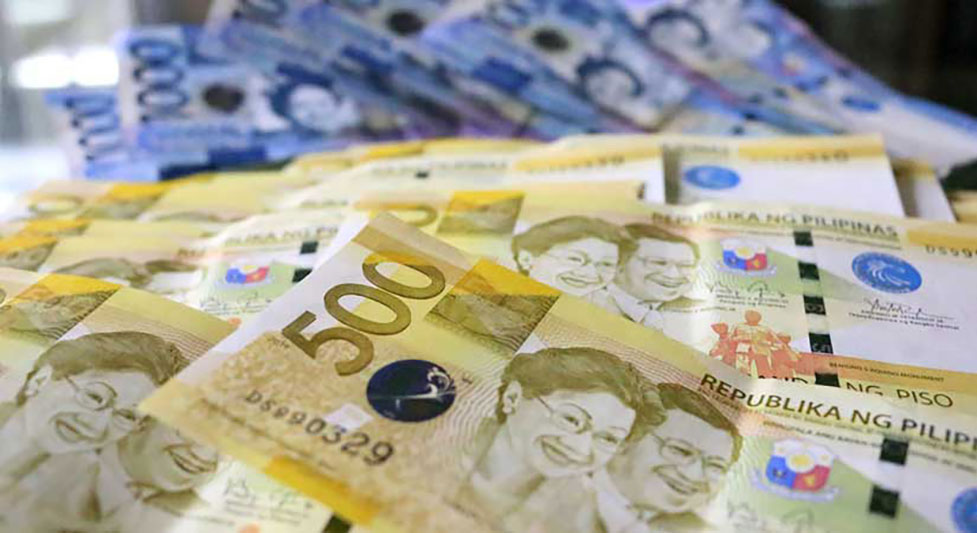
The Philippine economy represents a dynamic tapestry influenced by a rich historical context, cultural diversity, and ongoing economic development. Integral to this narrative is the Philippine Peso, a currency that embodies the nation’s journey while significantly impacting its economic landscape. This discussion aims to examine the evolution and implications of the Peso, the critical role of the Bangko Sentral ng Pilipinas, and other essential monetary factors that shape the financial environment. We will explore the complexities of the Philippines’ monetary foundations, providing insights that link its historical roots to future prospects.
Brief Overview of the Philippine Economy
The Philippine economy presents a dynamic landscape marked by a combination of significant economic growth and distinct challenges that impact its overall stability. Through the implementation of robust monetary policy and fiscal reforms, the country endeavours to enhance economic resilience, supported by various sectors that contribute to the gross domestic product (GDP). An understanding of these core components not only emphasises the critical role of the Bangko Sentral ng Pilipinas in executing economic policies but also illuminates the economic indicators that inform future forecasts for sustainable development and financial stability.
Key economic indicators, such as the inflation rate, currently approximately 6.3%, and the adjustments in interest rates made by the central bank to address rising prices, illustrate the tightening of monetary policy aimed at stabilising the economy. Furthermore, the trade balance has exhibited fluctuations, with exports experiencing a slight decline while imports have surged, resulting in a trade deficit of approximately $3 billion in recent months. Remittances from overseas workers continue to serve as a vital source of economic support, contributing over $30 billion annually, which significantly bolsters consumer spending and drives domestic demand. These statistics highlight the intricate relationship between global economic trends and localised developments, which ultimately shape the future trajectory of the Philippine economy.
The Philippine Peso: History and Significance
The Philippine peso possesses a comprehensive history that mirrors the nation’s socio-economic development, functioning not only as the primary medium of exchange but also as a representation of economic identity. Fluctuations in its value can have a considerable impact on the trade balance, affecting both local currency stability and foreign investments. To fully comprehend the significance of the peso, it is essential to analyse its role within the broader framework of economic growth, trade agreements, and the monetary policies implemented by the Bangko Sentral ng Pilipinas aimed at maintaining price stability and managing currency exchange.
Evolution of the Philippine Peso
The evolution of the Philippine peso is characterised by significant economic policies and reforms that have influenced its value and stability over the years. From its inception as a form of currency to its current role as a critical component of the financial system, the peso has undergone various transformations shaped by multiple socio-economic factors. This trajectory exemplifies the relationship between monetary supply and financial stability within the context of the Philippine economy. The history of the peso is closely linked to key events, such as the American colonial period, which introduced a new currency system, and the subsequent repercussions of World War II, which led to substantial devaluation.
The transition to a floating exchange rate in the 1970s represented a significant shift in its valuation against other currencies. Over the years, numerous economic reforms and stabilisation programmes have been implemented to address inflation and promote sustainable growth, which have ultimately impacted public confidence in the currency.
These factors collectively highlight how the peso has mirrored the economic landscape, responding to both domestic initiatives and global economic trends.
Impact of the Philippine Peso on the Economy
The Philippine peso plays a critical role in shaping the nation’s economic performance, influencing various factors such as inflation rates and foreign direct investments. Fluctuations in the currency can significantly affect consumer confidence, spending behaviours, and the overall business environment. As the Bangko Sentral ng Pilipinas implements inflation targeting measures, the value of the peso becomes a pivotal element in ensuring economic stability and promoting sustainable development.
For instance, a stronger peso can benefit consumers by lowering prices on imported goods; however, it may adversely impact local manufacturers who face increased competition from foreign products. Conversely, a weaker peso can elevate the cost of imported materials, contributing to inflation and diminishing purchasing power. Moreover, remittance flows, which represent a substantial portion of the economy, are also influenced by currency fluctuations. When the peso weakens, the earnings of overseas workers convert into a higher local currency value, potentially encouraging increased spending. In 2022, remittances were estimated to contribute approximately 9.8% to the country’s GDP, highlighting the integral role of currency value in household consumption and overall economic health.
The Bangko Sentral ng Pilipinas: Role and Functions
The Bangko Sentral ng Pilipinas (BSP) operates as the central bank of the Philippines, fulfilling a crucial role in the formulation and implementation of monetary policy designed to achieve economic stability and growth. Its responsibilities encompass more than merely managing the currency; the BSP also regulates financial institutions, ensuring compliance with financial regulations that promote a sound banking system. Through the application of various monetary tools and strategies, the BSP is dedicated to enhancing liquidity management and fostering economic development across multiple sectors.
Central Bank of the Philippines
The Bangko Sentral ng Pilipinas (BSP), functioning as the central bank, is responsible for upholding the integrity of the Philippine peso and ensuring price stability through the implementation of effective monetary tools. Its policies are meticulously designed to address challenges such as inflation and fiscal sustainability while supporting the overall economic indicators that reflect national performance. The BSP’s dedication to robust central banking practices is essential for fostering confidence in financial markets and promoting economic resilience.
In pursuit of these objectives, the BSP utilises various monetary transmission mechanisms that influence interest rates and liquidity levels, consequently impacting investment and consumption patterns throughout the economy. The current economic landscape presents multiple challenges, including global uncertainties and volatile commodity prices, which further complicate the inflationary environment.
Adapting to developments such as the adoption of digital currencies and the evolving dynamics of global trade has become increasingly pivotal for the BSP. These emerging trends necessitate a continuous assessment of the bank’s policies and tools to ensure their effectiveness in managing liquidity while supporting sustainable economic growth.
Responsibilities and Policies of the BSP
The responsibilities of the Bangko Sentral ng Pilipinas (BSP) encompass a comprehensive array of monetary and fiscal policies aimed at fostering economic growth and stability. By implementing robust banking regulations and accurately forecasting economic trends, the BSP endeavours to improve the investment climate within the Philippines. Through its policies, the central bank seeks to maintain a delicate balance between promoting foreign direct investment and preserving financial stability.
Key actions, such as adjustments to interest rates, play a pivotal role in managing inflation and influencing borrowing costs for both households and enterprises. When the BSP raises interest rates, the primary objective is often to mitigate inflation; however, this action can inadvertently lead to an increase in household debt as consumers encounter higher repayment obligations on loans.
Conversely, when the bank lowers interest rates, the intention may be to stimulate spending and investment, thereby enhancing trade relations by encouraging economic activities that appeal to foreign partners. The BSP’s effective liquidity management strategies ensure a sufficient flow of credit within the financial system, thus facilitating sustainable growth while simultaneously mitigating the risks associated with excessive debt accumulation.
Other Monetary Mainstays in the Philippines
Along with the central banking framework, the Philippines is supported by a variety of monetary foundations that strengthen its financial system and address economic challenges. This includes a diverse range of financial institutions that offer essential services such as loans, savings, and credit, all of which are critical to facilitating economic growth. Furthermore, the importance of microfinance and other financial technologies has grown significantly, creating opportunities for economic diversification and encouraging foreign investments.
Foreign Exchange and Remittances
Foreign exchange dynamics and remittances serve as pivotal components of the Philippine economy, significantly influencing its economic performance and currency exchange rates. The inflow of remittances from overseas Filipino workers not only strengthens the local currency and major currencies, but also enhances household spending capabilities, thereby impacting overall consumer confidence and demand in the market. An understanding of these interactions is essential for evaluating the health of the Philippine economy and its dependence on external sources of income.
Recent trends indicate that remittance flows consistently contribute approximately 9% to the GDP, establishing them as a vital lifeline for numerous households. Families often allocate these funds towards daily expenses, education, and healthcare, which in turn stimulates local economic activity through the multiplier effect. However, persistent volatility in foreign exchange rates can present challenges for financial institutions managing currency risks, potentially resulting in higher interest rates on loans and increased household debt levels. For instance, when the Philippine peso depreciates, the purchasing power of remittances diminishes, placing additional financial strain on families reliant on these funds for their livelihood. Therefore, navigating these financial landscapes is imperative for both policymakers and citizens.
Investment and Business Opportunities
The Philippines presents a substantial array of investment and business opportunities, bolstered by a favourable business environment and strategic economic reforms aimed at attracting foreign investments. With an improving credit rating and a growing market for both local and international enterprises, the country is increasingly recognised as a promising destination for entrepreneurs and investors. It is essential to understand the key sectors that are poised for growth in order to capitalise on these opportunities.
Among these sectors, technology is particularly noteworthy due to the rapid adoption of digital solutions, which creates a conducive environment for both startups and established companies. The agricultural industry also holds significant potential, with innovations in sustainable farming practices enhancing productivity and supply chain efficiency. Additionally, tourism plays a vital role in the economy, leveraging the nation’s rich cultural heritage and breathtaking natural landscapes to attract visitors from around the globe.
Economic policies aimed at streamlining regulations and incentivising foreign participation are fundamental to cultivating an inviting investment landscape, ensuring that the Philippines remains an attractive option for those seeking to enter promising markets.
Related Post

Forex Brokers with Built-In Market Analysis Tools
In the volatile Forex market, razor-sharp analysis can mean the difference between profit and loss. [...]